Summer Gutter Maintenance Tips
Most homeowners think about their gutters in the fall — leaves dropping, first frost on the way. But summer in southwest Missouri creates its own set of gutter problems, and the homeowners who stay ahead of them in June tend to avoid the expensive surprises that show up in August.
This guide covers what to look for, what to do, and what to leave to a professional as you head into the summer season.
Why Summer Matters for Gutters
Spring gets all the attention, but summer in the Springfield area brings its own demands. Afternoon thunderstorms roll through fast and drop a lot of rain in a short window. That's exactly the kind of event that exposes a gutter system that wasn't fully cleared after spring.
Add to that the heat. Prolonged summer heat causes aluminum to expand and contract. Sealants around joints and end caps can dry out and crack. Hangers that were borderline loose in May become a more serious problem in July after weeks of thermal stress.
A quick maintenance check in early June costs very little time. Catching something now is almost always cheaper than dealing with water damage after a summer storm.
Start With a Visual Inspection from the Ground
You don't need to get on a ladder to spot most early warning signs. A slow walk around the perimeter of your home after a rain tells you a lot.
Watch for overflow during rain
Stand outside during or just after a summer storm and watch where the water goes. Gutters should collect water across the full roofline and direct it cleanly through the downspouts. If you see water cascading over the front edge — especially at the same spot every time — that's a blockage or a pitch problem.
Check downspout discharge points
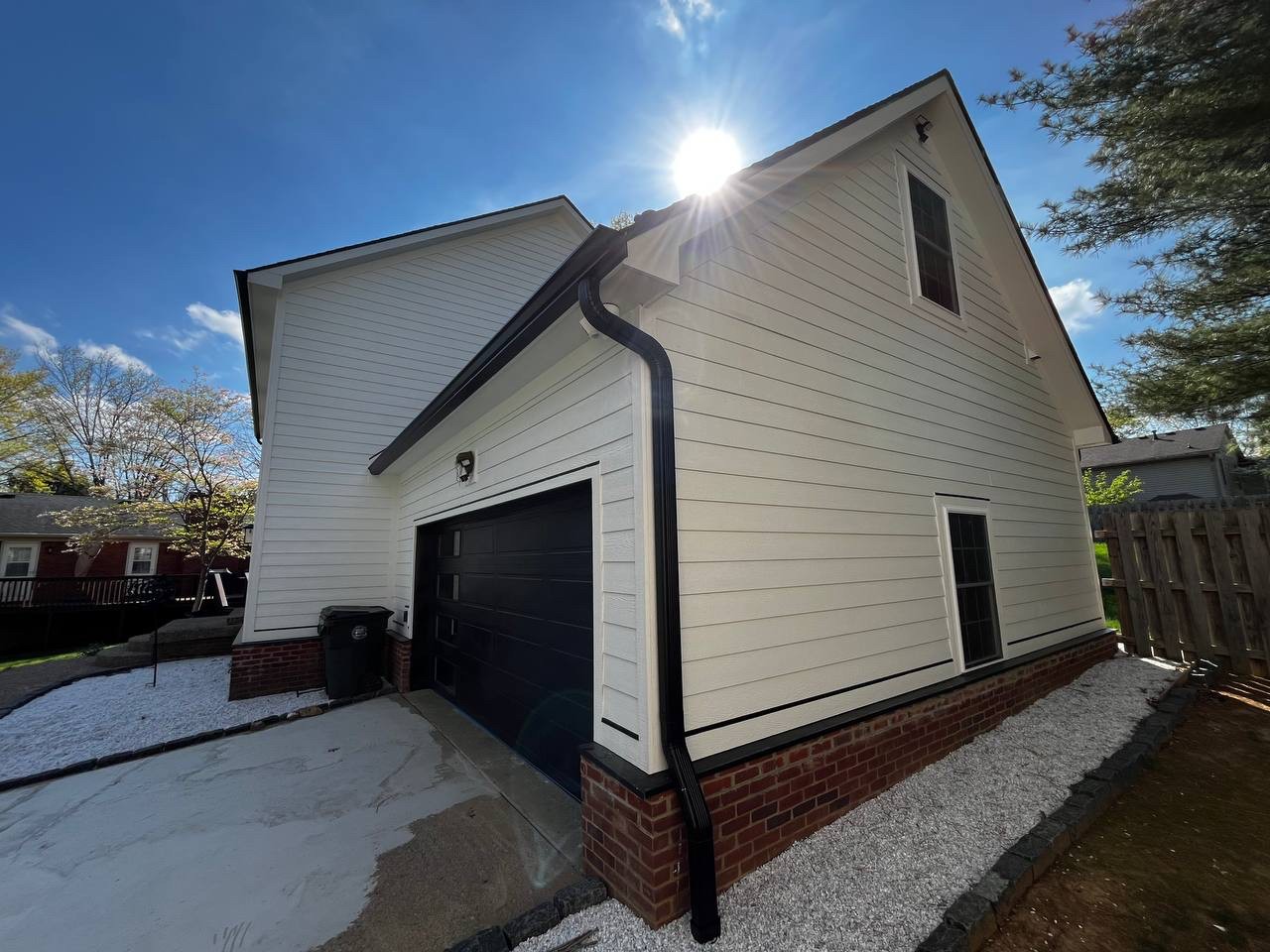
Water should exit the downspout and move away from the foundation, ideally through a splash block or extension. If water is pooling within a few feet of the house, the discharge isn't doing its job. This is one of the most overlooked gutter issues and one of the most consequential for foundation health over time.
Look at the fascia behind the gutters
Discoloration, peeling paint, or soft-looking wood behind the gutter line are signs that water has been escaping somewhere it shouldn't. This is often the first visible evidence of a failing gutter before the gutter itself shows obvious damage.
Clear Out Any Remaining Spring Debris
If you had gutters cleaned in early spring, you may still have debris accumulation from late spring seed pods, cottonwood, and storm activity. June is a good checkpoint before the summer storm pattern intensifies.
What to look for: seed casings and helicopter pods from maples are notorious for collecting in gutter channels and around downspout openings. They're small enough to pass through some guards and compact enough to cause blockages that leaves don't. If you have maple trees on your property, a quick flush of the downspouts before summer is worth doing.
If your gutters haven't been cleaned since fall, do it now. A clogged gutter heading into Missouri's summer storm season is a problem waiting for the right rainstorm to reveal itself.
Inspect Your Downspouts
Downspouts are easy to ignore until they're completely blocked. A few things to check heading into summer:
Make sure every downspout has a clear path to discharge. Debris, dirt dauber nests, and even small animal nesting material can partially block a downspout without being visible from the outside. A simple test: run a garden hose into the top of the downspout and watch the flow at the bottom. Slow or no flow means a blockage.
Check that downspout extensions are still in place and undamaged. Extensions that carry water away from the foundation get knocked loose by lawn mowers, foot traffic, and general yard activity. If yours is missing or disconnected, it's a quick fix that matters.
Check the downspout straps that hold it flush to the siding. Heat expansion and storm stress can loosen these over the winter and spring. A downspout that's pulling away from the siding will eventually fail at a joint.
Address Any Damage from Spring Storms
Spring storms in southwest Missouri are hard on gutters. Wind pulls at hangers. Hail dents aluminum. Branches land on gutter runs and bend or crack sections. If your area took a significant storm between March and May, it's worth a closer look before summer gets going.
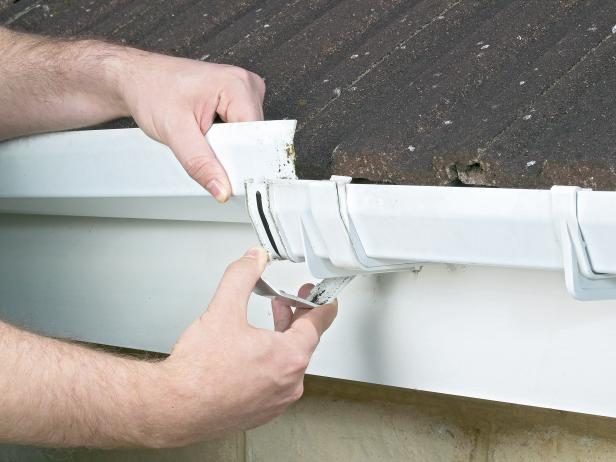
Specific things to check after a storm season: sections that are visibly bent or dented, end caps that have separated, hangers that are loose or pulled away from the fascia, and seams that are gapping on sectional gutters.
Small storm damage that gets addressed in June stays small. The same damage ignored through summer and into fall tends to compound — water gets behind the fascia, wood deteriorates, and what was a minor repair becomes a more involved one. If you need a repair assessment, our [gutter repair service] covers what that process looks like.
Consider Whether Your Gutters Are Properly Sized
Summer is also a good time to honestly evaluate whether your current gutter system is handling the volume it needs to. Standard 5-inch gutters are common on older homes in the Springfield area, but they can be undersized for rooflines with a steep pitch or large drainage area.
If you're consistently seeing overflow during heavy rain even after the gutters are clean and clear, the issue may not be clogging — it may be capacity. Six-inch seamless gutters move significantly more water and are worth discussing if your current setup is struggling.
This isn't a conversation that requires replacing everything immediately. It's just worth having before another summer storm reveals the limitation in a costly way.
When to Call a Professional
Most of the visual checks above can be done from the ground. The hands-on work — cleaning, flushing downspouts, tightening hangers, resealing joints — is where a professional gutter service earns its keep.
If you're in Springfield, Nixa, Ozark, Republic, Battlefield, or Rogersville and you want someone to come out and give your gutters a proper pre-summer inspection and cleaning, that's exactly what we do. Contact K Brothers here to get on the schedule before the summer storm season picks up.